The Cost of Poor Internet Connectivity on University Students
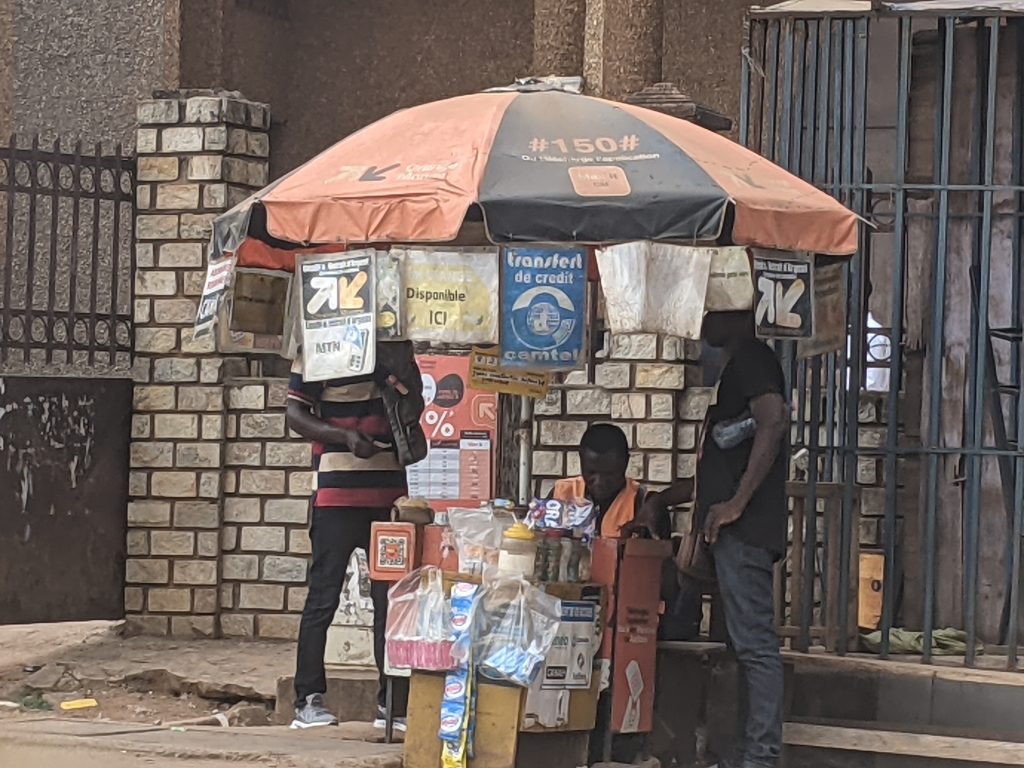
Airtime vendors have the three principal mobile network service providers – Author
In the modern lecture hall, a stable internet connection is as essential as a pen and paper. Yet, for thousands of university students across Cameroon, the « loading » icon has become a symbol of academic frustration.
From missed Continuous Assessments (CAs) to lost professional opportunities, the struggle to stay connected is more than a technical glitch, it is a barrier to education.
When Offline Means Missing Out

Asmac journalism 3 students browsing in class – Author
For Nfor Franklin, a student at the University of Bamenda, the stakes of poor connectivity are painfully high. « I once missed a CA because I was offline, » he recalls.
Beyond exams, the simple flow of information is often bottlenecked. Franklin describes the frustration of receiving announcements hours too late, often trekking to campus only to realize a lecture was canceled via a message that sat in digital limbo.
It isn’t just about speed; it’s about reliability.
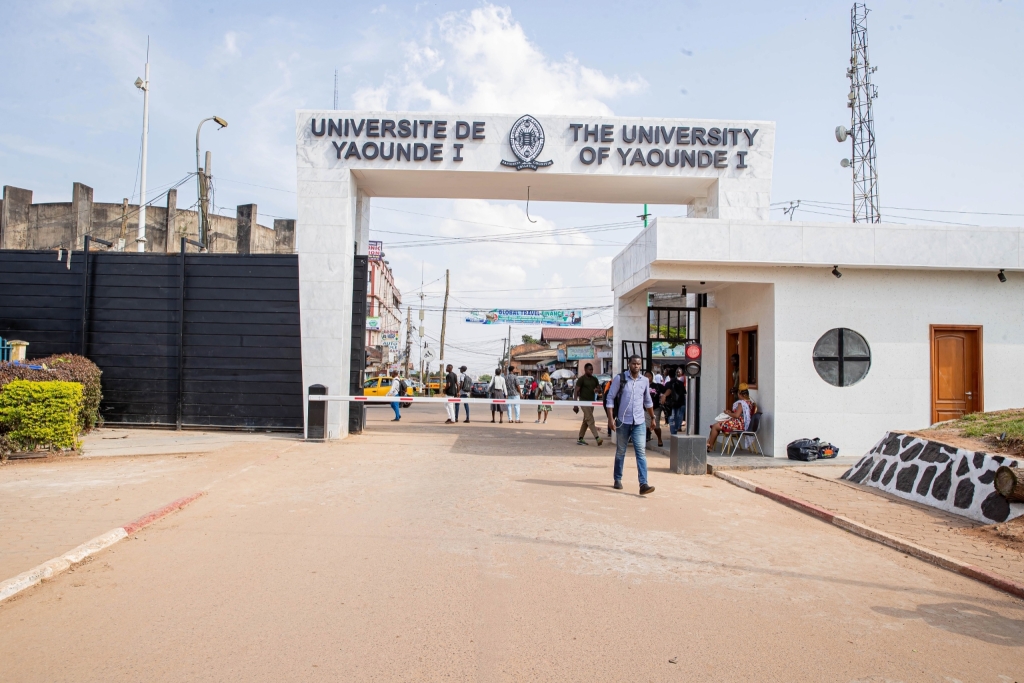
Mbafoh Othniel, a Master’s student at the University of Yaoundé I, recounts a frantic evening trying to submit an assignment via email. « It just wouldn’t go. I thought I was doing something wrong, » he explains. After ten attempts, he finally saw a « sent » notification.
The next morning, he discovered his professor’s inbox had been flooded with all ten copies, a situation that risks irritating faculty and reflects poorly on the student’s professionalism.
Poor internet connectivity also significantly hinders practical sessions in courses such as ICT and Web Journalism.
At the Advanced School of Mass Communication (ASMAC/ESSTIC), several level-three journalism students reported that they could not properly follow the modules on online news and blog creation due to unstable connections.
During lectures, accessing various social media platforms to post content or leave comments within the required timeframe proved impossible for many.
Consequently, some students were unable to participate effectively, which negatively impacted their grades.
Furthermore, downloading and installing heavy software during the web creation course was a major hurdle.
These technical delays frustrated both the lecturers and the students, ultimately preventing the syllabus from being completed on schedule.
Lost Opportunities and Digital Stress

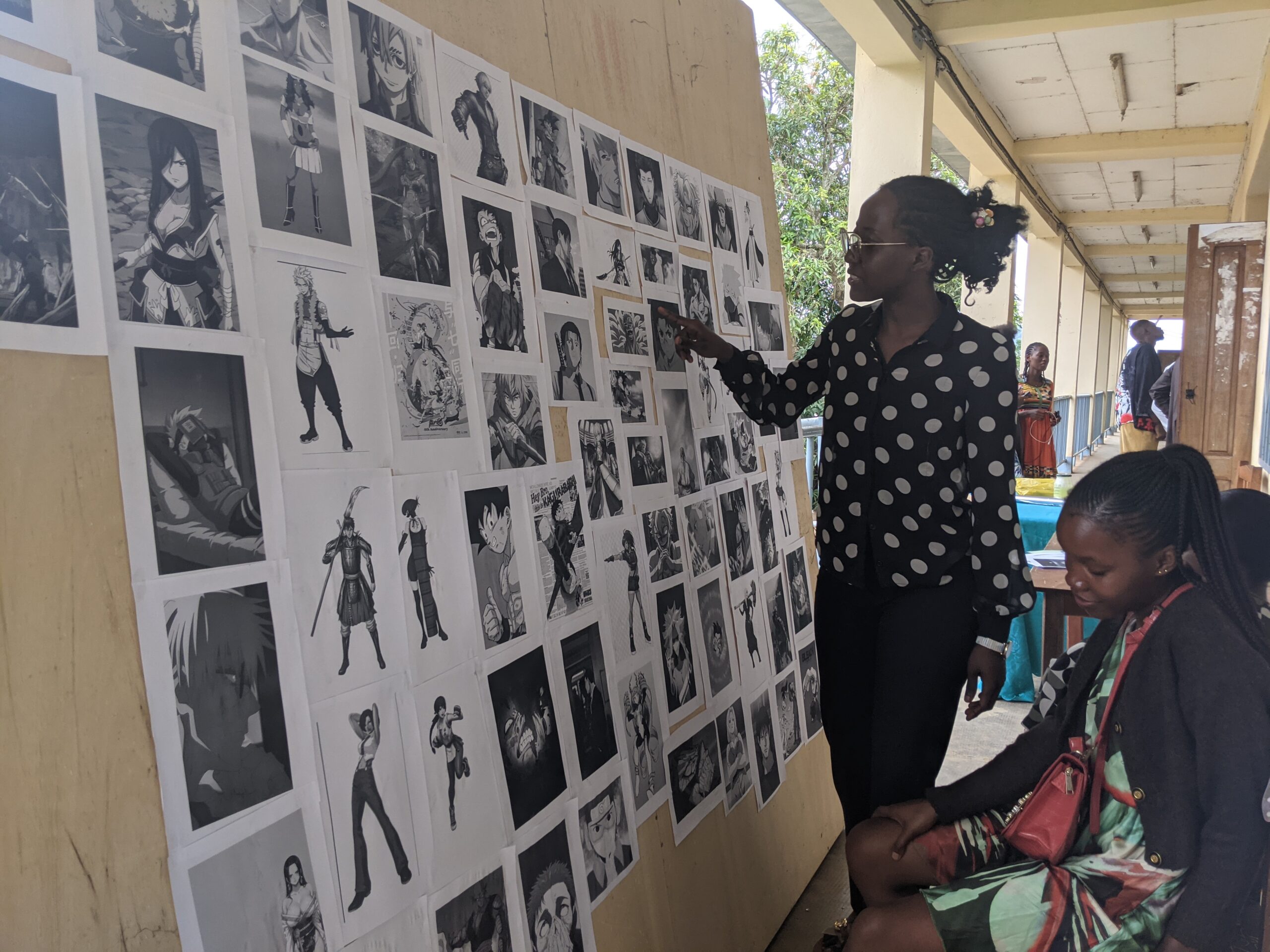
Justin Bapowa, Asmac journalism 3 student carrying out research – Author
The cost of a slow connection isn’t just academic, it’s professional. Akia Yasmin missed the chance to participate in a high-profile press conference because her data connection failed her. By the time the message from her class delegate loaded, the registration list was already full.
This constant « connection anxiety » takes a toll on mental well-being. Kang Nadege, a student at the University of Douala, describes the physical and mental exhaustion of the struggle. « Scrolling and being unable to open a link, access a website, or download a document is hectic, » she says.
For Akam Ruth at the University of Yaoundé II, the lag is an inspiration killer. « It changes my mood and makes me nervous and stressed, » he says, noting how the creative flow required for studies is easily broken by a spinning wheel on a screen.
The Three-SIM Strategy
To navigate this landscape, Cameroonian students have become masters of improvisation. While major providers like MTN, Orange, and Camtel work to expand 4G and 5G coverage, the reality on the ground remains unstable.
Students often find themselves carrying three different SIM cards, switching between providers like a high-stakes game of musical chairs to find the one that works in a specific corner of the library. But this comes at a steep price:
High Costs: Activating multiple data bundles is a heavy financial burden for those on a student budget.
Vanishing Data: Many complain that data « disappears » faster than expected or that airtime is deducted for mysterious reasons.
Delayed Transactions: Even mobile money transfers—essential for paying fees or buying food—frequently fail due to network timeouts.
The digital divide in Cameroon’s universities remains a critical challenge. When internet connectivity is unstable, the daily flow of information is disrupted, and the learning process is hindered.
For students to compete in a globalized world, a « stable connection » cannot remain a luxury—it must become a standard part of the Cameroonian academic experience.
By Ndifon Anna Ting

Laisser un commentaire