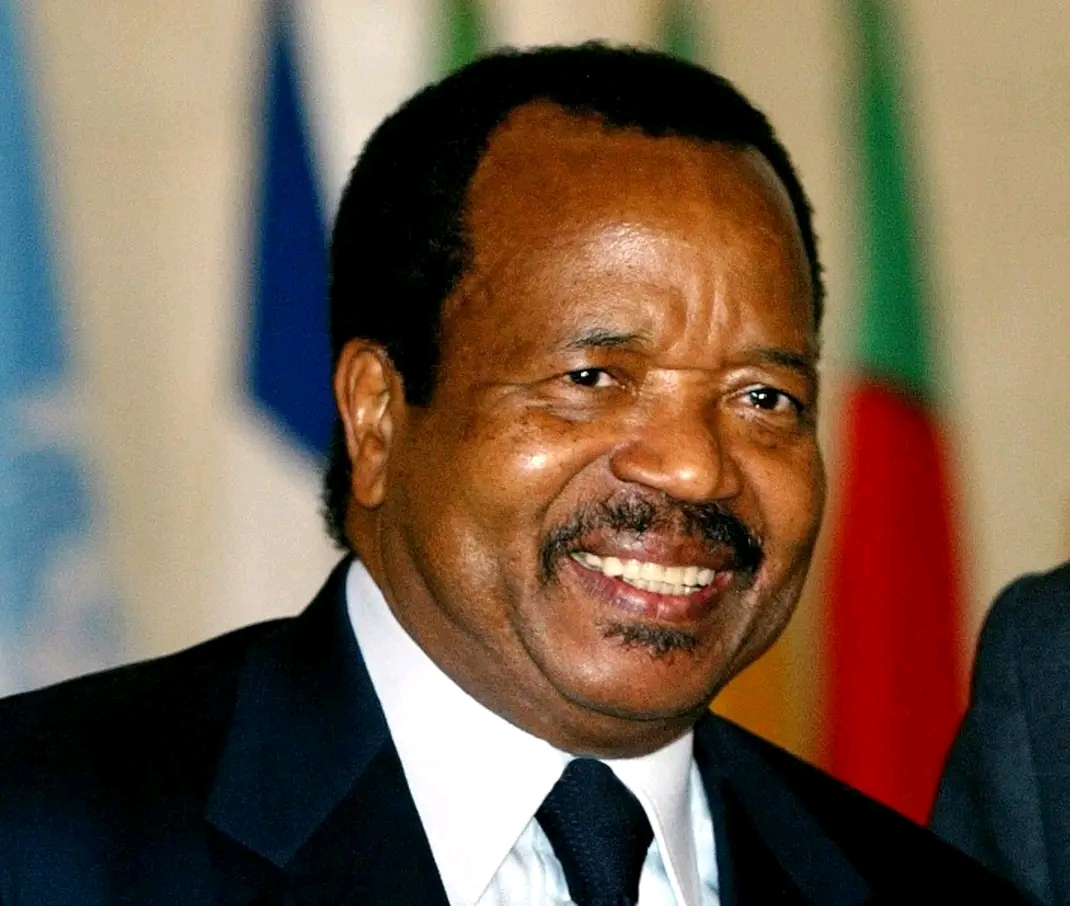
President Biya Reinstates Vice Presidency in Cameroon
In a significant legislative move, President Paul Biya has promulgated a law officially reinstating the office of the Vice President in Cameroon. The decree, signed on 15 April 2026, follows a rapid parliamentary approval process earlier this month.
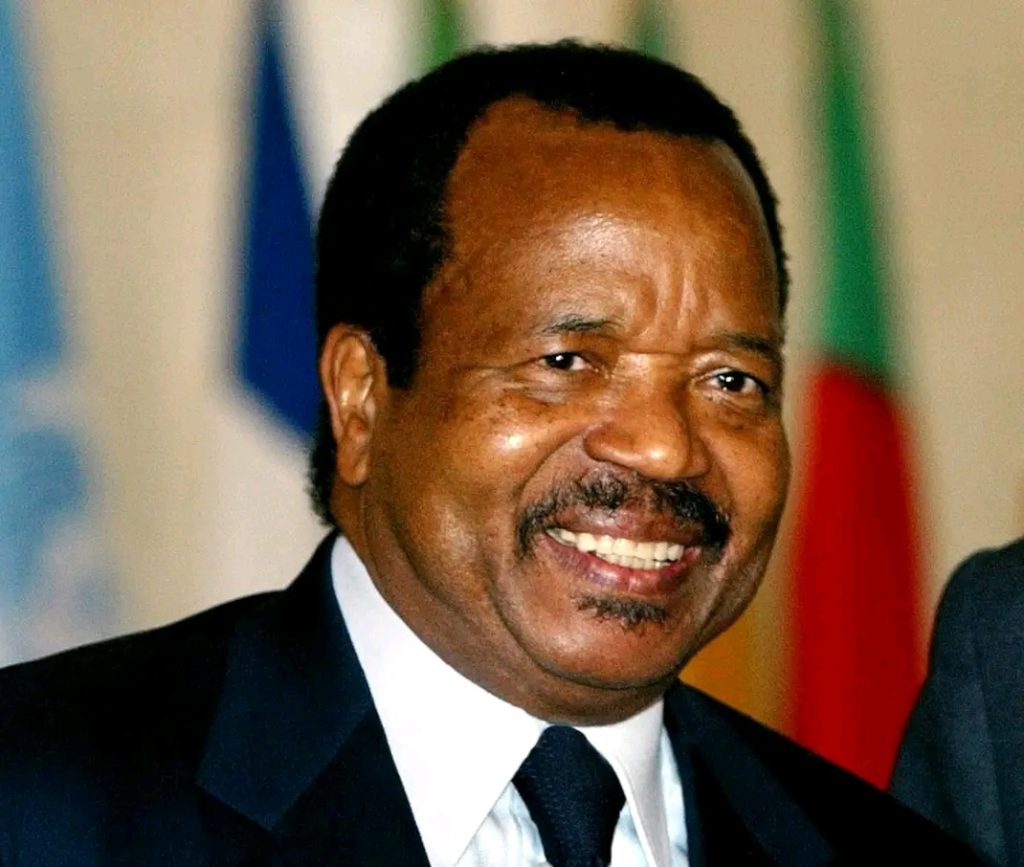
President Biya has ruled Cameroon for over 40 years. The new law gives him the power to appoint his successor – photo credit, President Paul Biya, Facebook.
While the government frames the move as a step toward institutional stability, the decision has ignited a fierce national debate regarding democratic legitimacy and the concentration of executive power.
The post of Vice President was a fixture of Cameroon’s early post-independence governance—notably held by John Ngu Foncha following the Foumban Conference—before being abolished in 1984. Its return in 2026 marks a pivotal shift in the country’s political landscape, particularly as the 93-year-old President Biya looks toward the future of his administration.
Under the new law, the Vice President is not elected by the public but is instead appointed directly by the President, serving as the designated successor in the event of a power vacancy.
Public Reactions
Critics and civic observers have expressed mixed feelings about the reform. Many Cameroonians argue that a unilateral appointment undermines the democratic process.
Critics suggest that for the role to hold true credibility, its mandate should derive from the electorate rather than executive preference.
An anonymous citizen stated: « There’s no use for it. It has zero interest to a lay Cameroonian. It is just the manipulation of the system to continue keeping power. If this wasn’t so, they should have voted for the VP during the presidential election, because some people may vote for a president based on who is chosen as the running mate. »From an institutional standpoint, a clear line of succession can provide a necessary framework for political continuity.
However, Magha Derick, a concerned citizen, approves of the post in theory but doubts its current credibility. « The credibility of this position would be significantly strengthened if its legitimacy were derived, at least in part, from the electorate or a more consultative process, » he stated.
Public sentiment remains skeptical, with many citizens viewing the reinstatement as a strategic maneuver to ensure the longevity of the current regime.
« Judging from the fact that the head of state appoints the Vice President, I strongly condemn it because it’s going to be a manipulation of the people. It is still the same system and the same old ways; nothing has changed, » says Stanley Yunji, another patriotic citizen.
Opponents argue that an appointed Vice President will inherently prioritize loyalty to the presidency over the interests of the people, potentially bypassing the electoral will.
Clinton Tumenta, a young entrepreneur, says the introduction of the post does not impress him. « It is a well-calculated step in a bid to ensure the continuity of the same regime. This is a clear definition of the consolidation of power, » he noted.
As the nation awaits the formal appointment of the first Vice President in over four decades, the move remains a focal point for those concerned with the balance of power and the future of Cameroonian democracy.
By Ndifon Anna Ting





Laisser un commentaire